One InvestmentSix Growth-Oriented SectorsDiversified Business ModelLong-Term Growth Potential
Business Purpose
In the current business environment, concentrating capital in a single business or industry can increase exposure to sector-specific risks. A diversified business model, in which capital is strategically allocated across multiple sectors, can create a broader range of business activities and potential revenue streams.
The primary objective of our company is to deploy and manage capital across selected real-economy and production-oriented sectors with the aim of developing diversified business operations, creating sustainable business value, and pursuing long-term growth opportunities.
The company intends to focus primarily on six key sectors: Dairy & Livestock, Food Processing, Solar & Renewable Energy, Agri-Tech & Modern Agriculture, Healthcare & Diagnostics, and Manufacturing & MSME.
The allocation of capital across these sectors will be determined according to business requirements, project feasibility, market conditions, operational capabilities, regulatory requirements, and the company's overall business strategy.
Strategic Focus Areas
Six Key Sectors
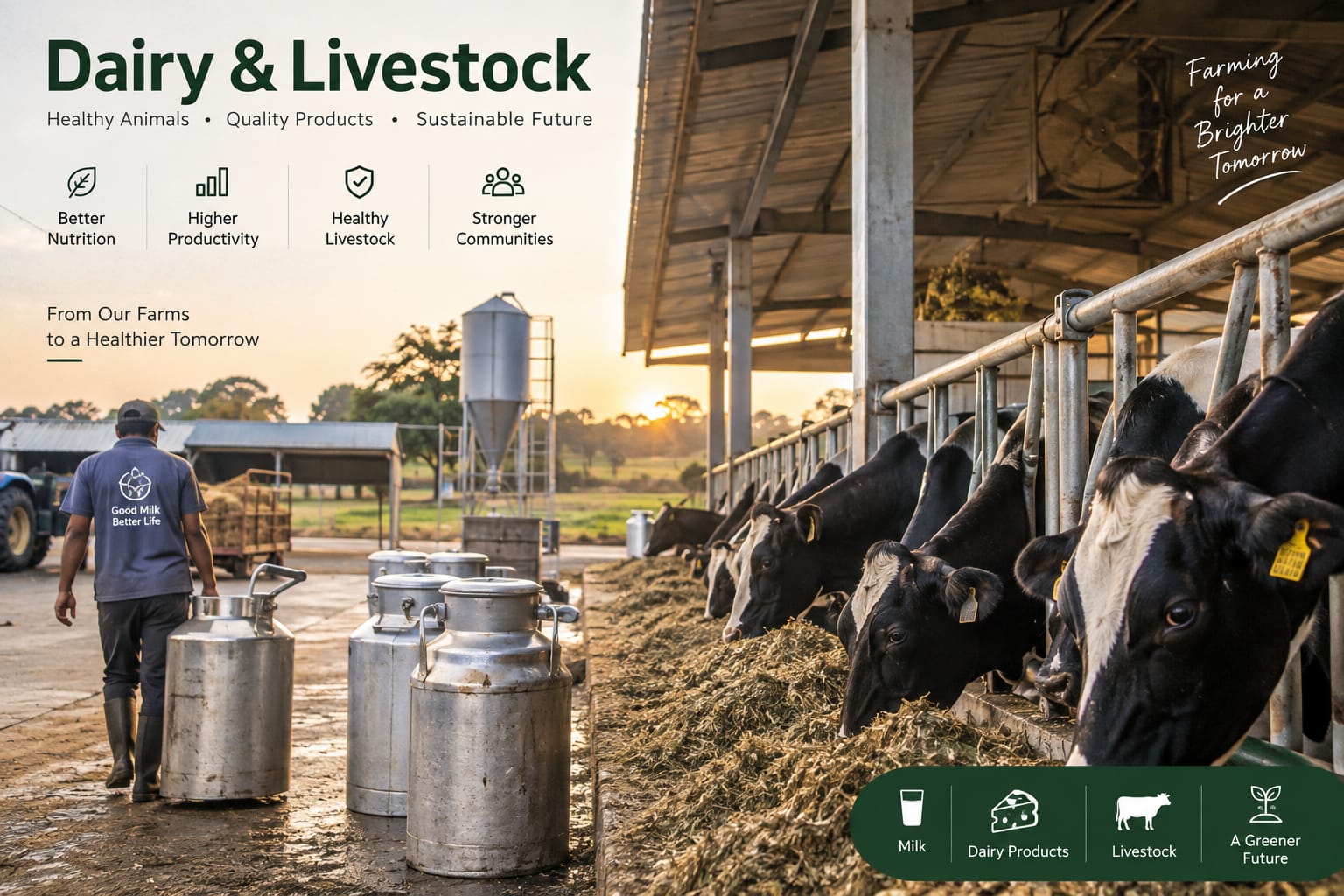
1. Dairy & Livestock
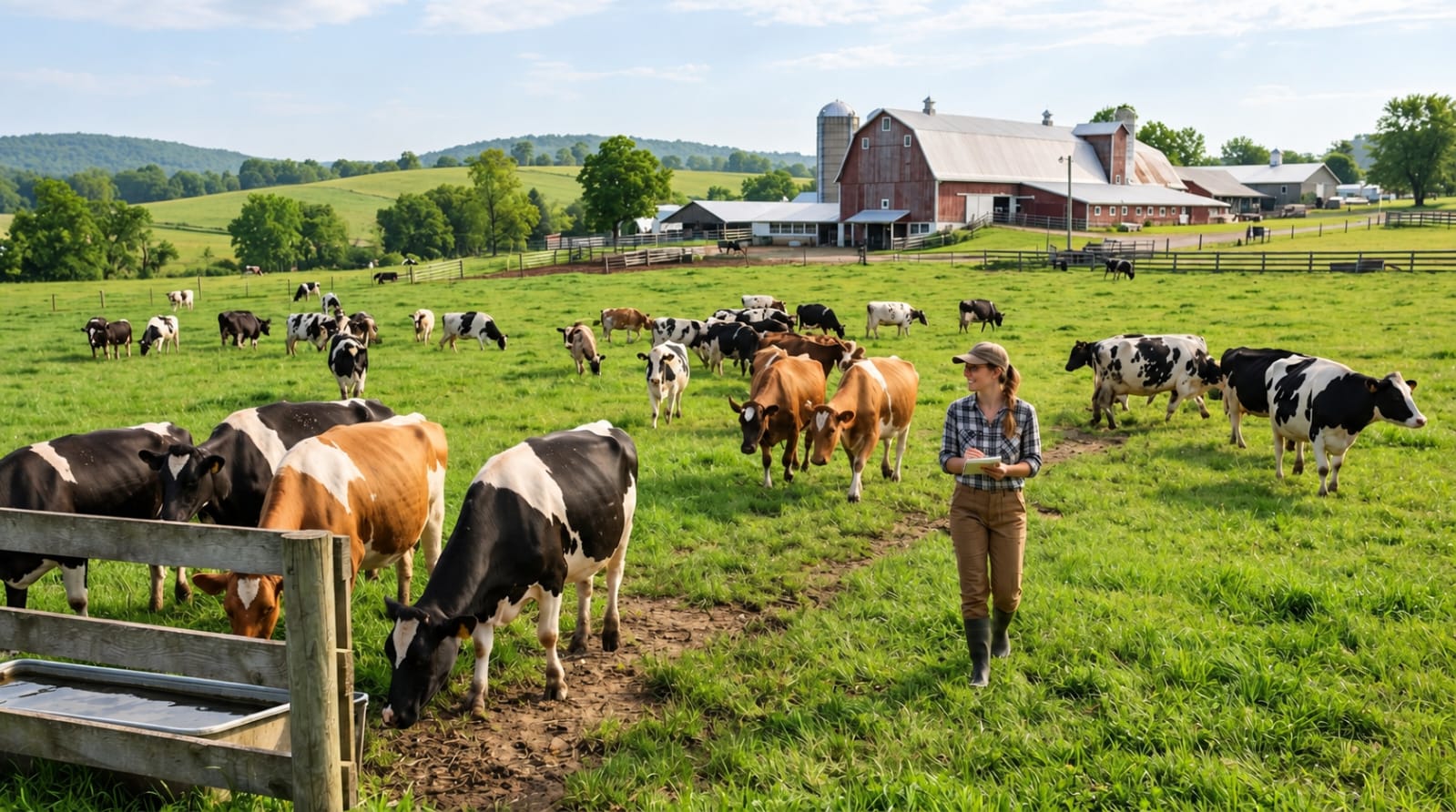
Dairy and livestock is one of the key sectors within our diversified business model. The company may undertake activities related to the acquisition and management of dairy animals, milk production, livestock development, animal management, and related agricultural operations.
Potential revenue streams
Sale of milk and dairy products
Livestock and animal assets
Calf and livestock development
Organic manure & animal-waste products
Other dairy-related products and services
2. Food Processing
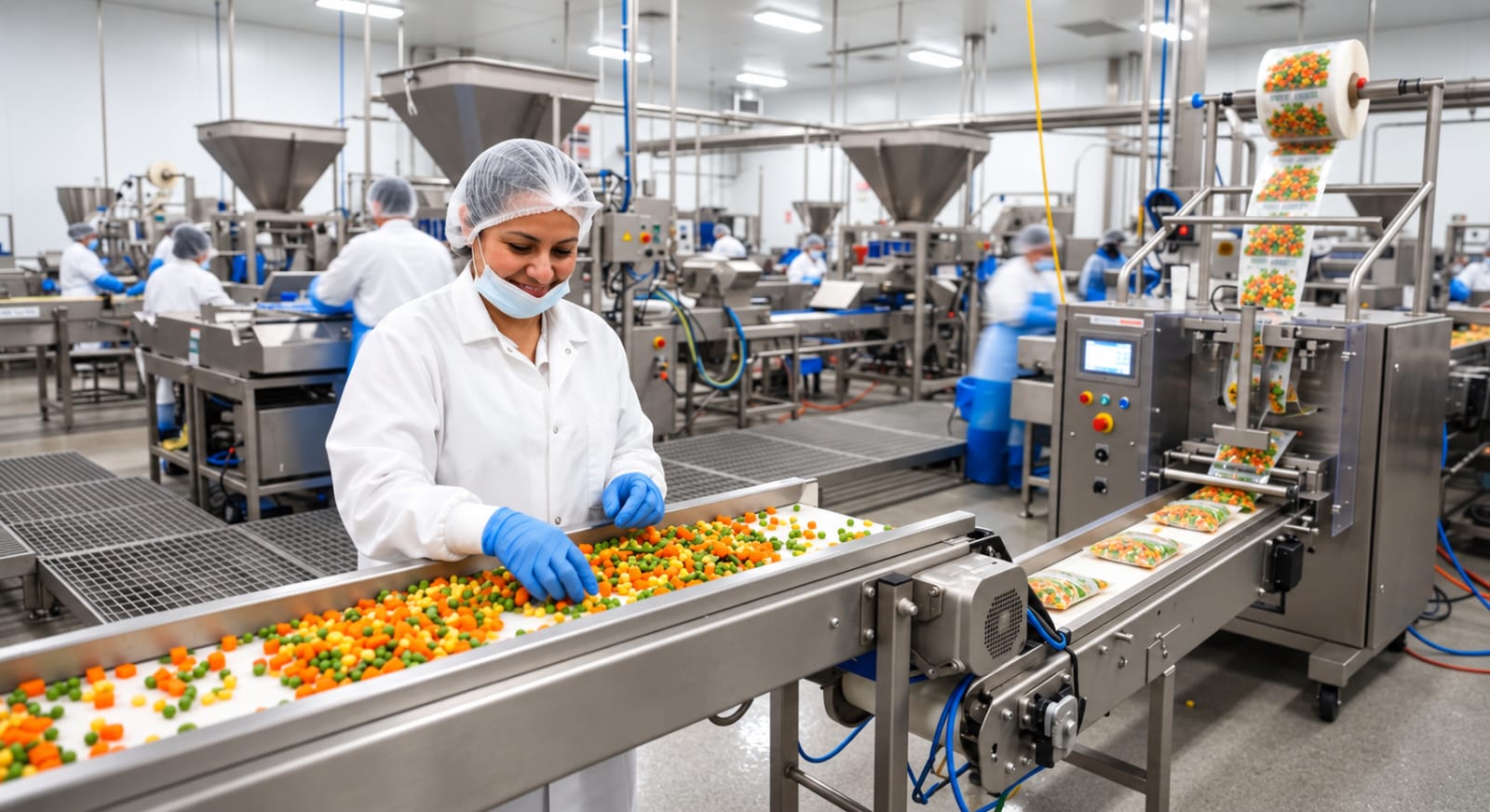
Food processing provides an opportunity to create additional commercial value from agricultural and dairy-based raw materials. The fundamental business approach is to convert raw commodities into value-added products through processing, packaging, branding, and distribution.
Products assessed
Milk and dairy products
Curd and buttermilk
Paneer & ghee
Processed agricultural products
Other value-added food products
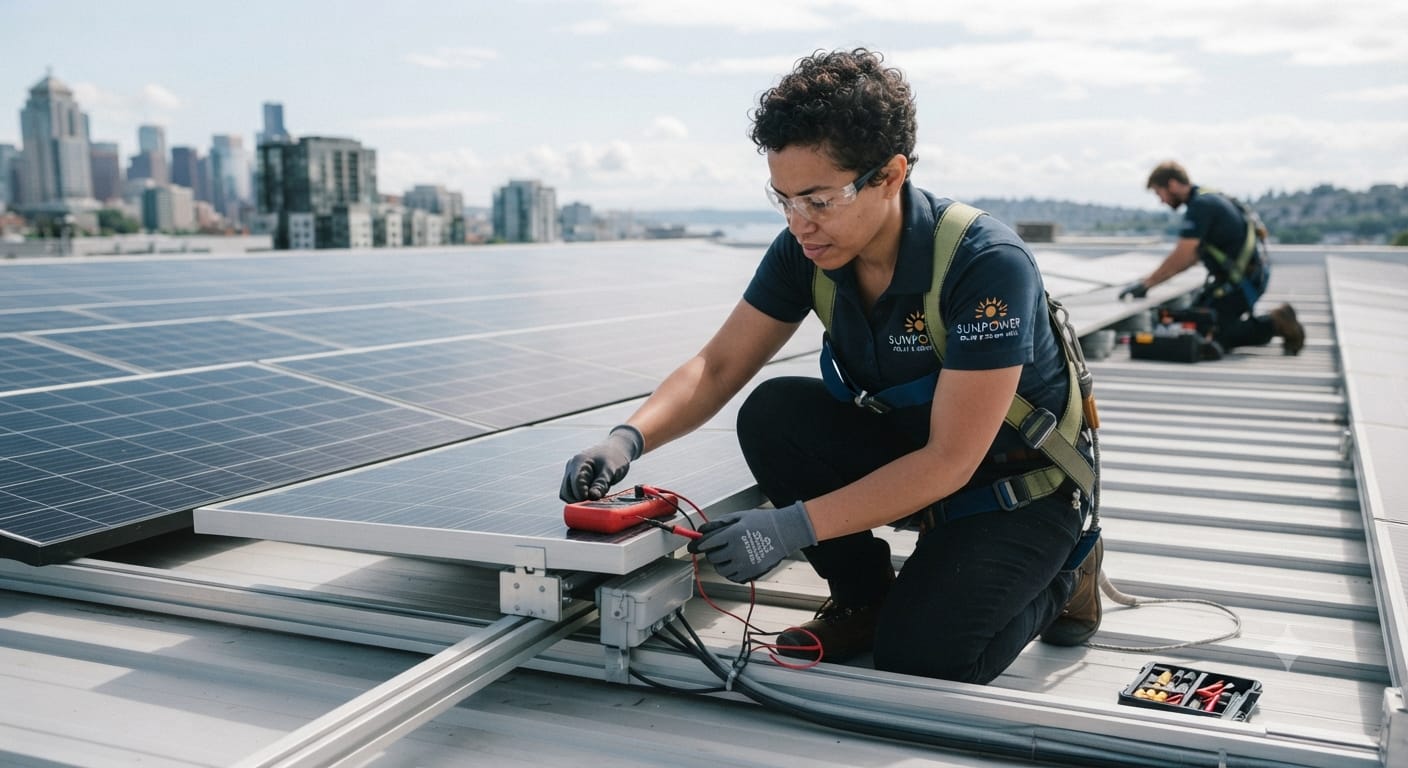
3. Solar & Renewable Energy
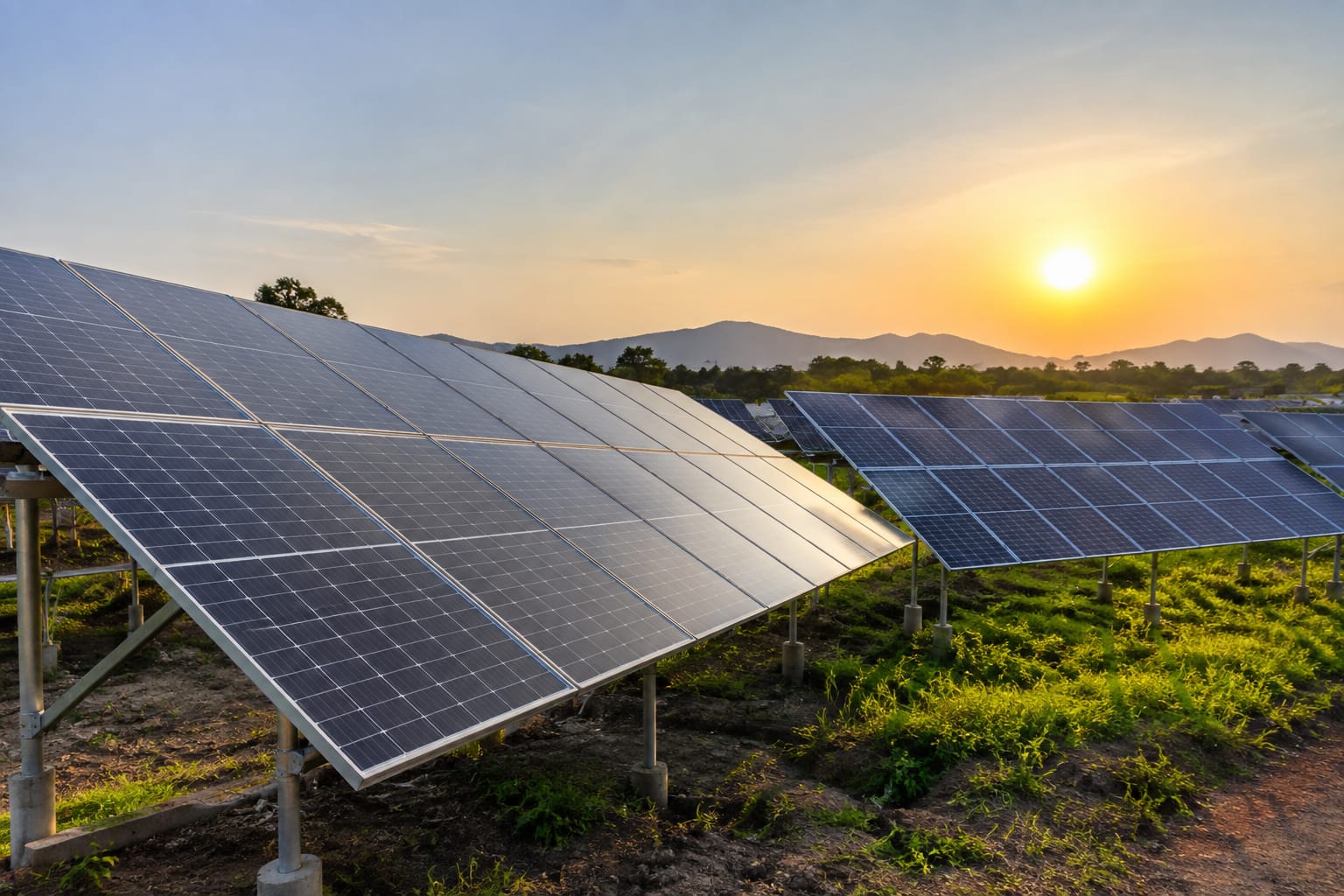
The increasing demand for energy and the growing importance of renewable sources create opportunities in the renewable-energy sector. The objective is to participate in commercially viable projects and develop long-term business opportunities associated with energy generation and related infrastructure.
Business activities
Solar power projects
Renewable-energy generation
Solar infrastructure
Energy-related assets
Other renewable-energy opportunities
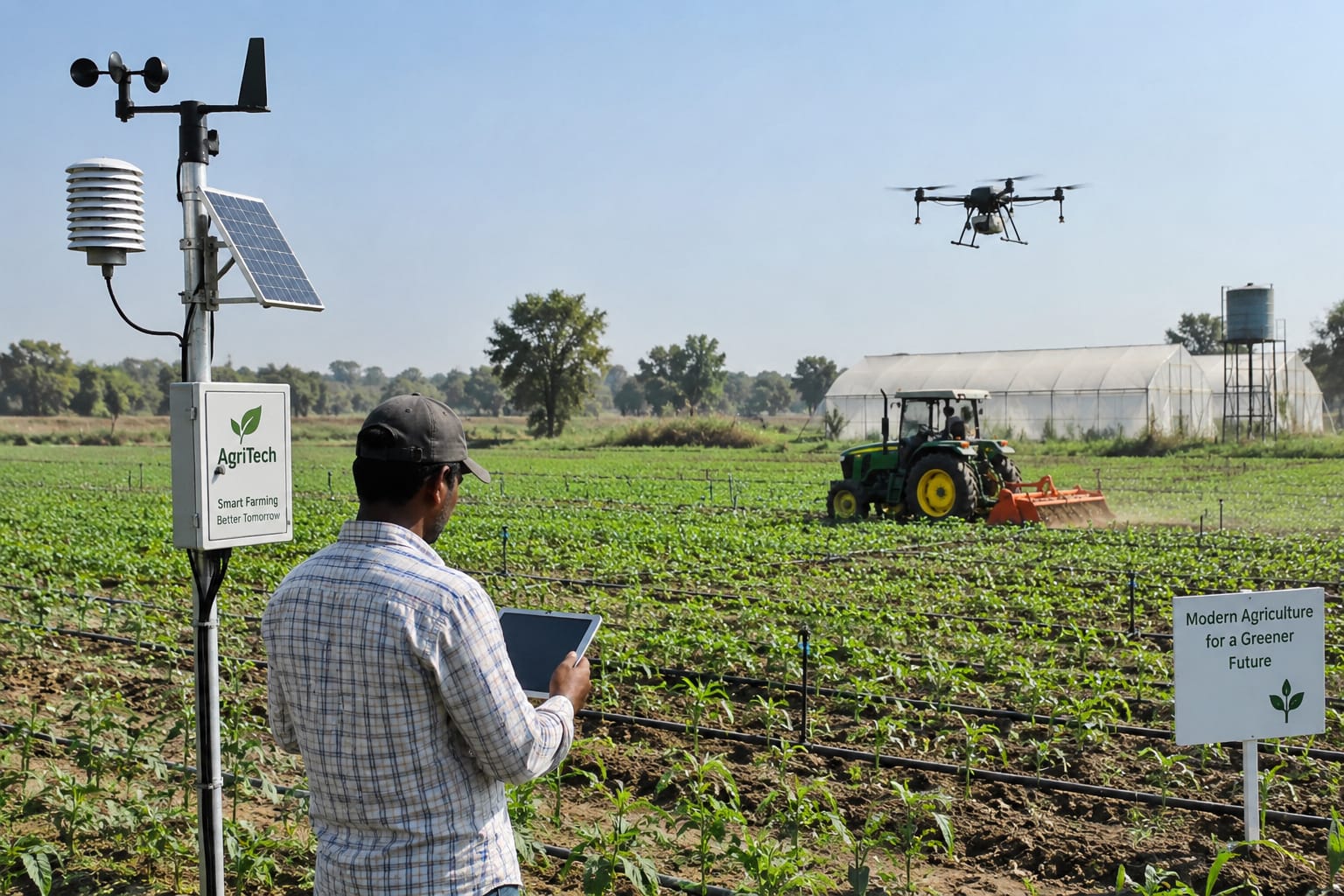
4. Agri-Tech & Agriculture
Modern agriculture combines traditional agricultural activities with technology, improved equipment, efficient resource management, and data-driven practices. The objective is to improve operational efficiency, resource utilization, productivity, and commercial viability.
Explored opportunities
Smart farming & modern irrigation
Agricultural technology & equipment
High-value crops
Controlled & efficient farming
Data-based agricultural management
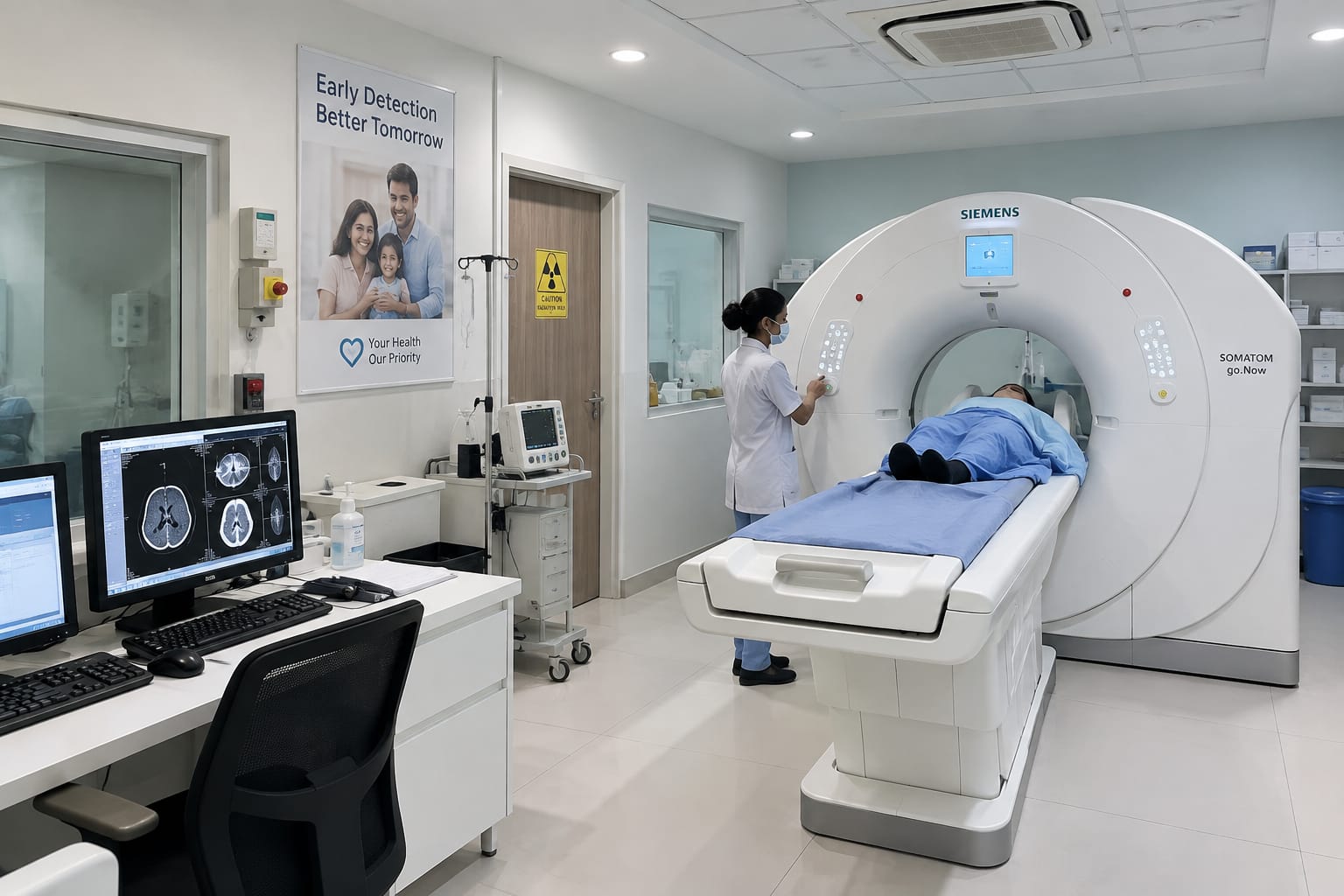
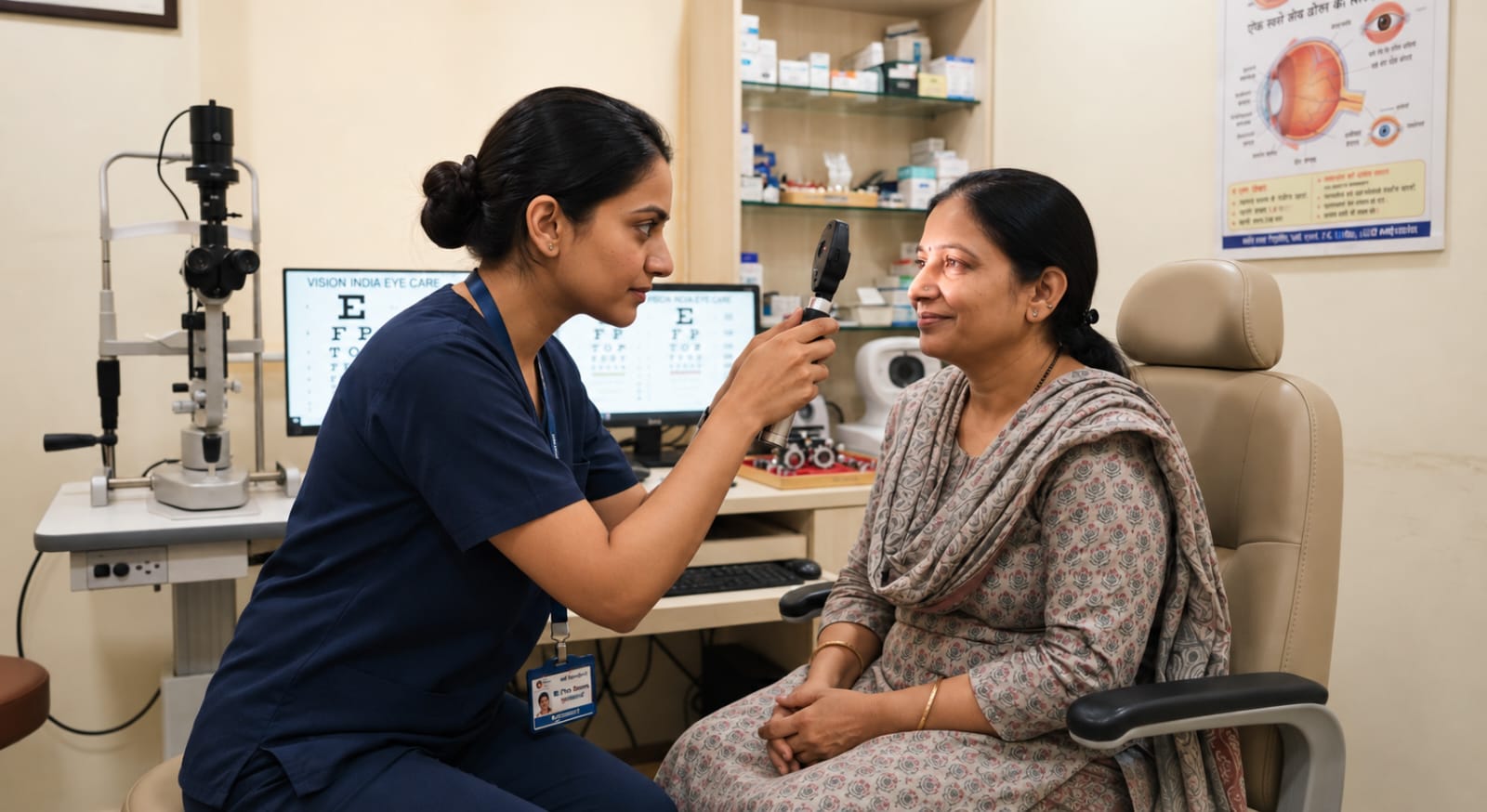
5. Healthcare & Diagnostics
Healthcare and diagnostic services represent an essential sector with continuing demand for accessible and reliable services. The objective is to develop commercially sustainable operations while contributing to the availability of essential services within the community.
Explored opportunities
Diagnostic centres
Pathology and testing services
Healthcare facilities
Preventive diagnostic services
Healthcare-related infrastructure
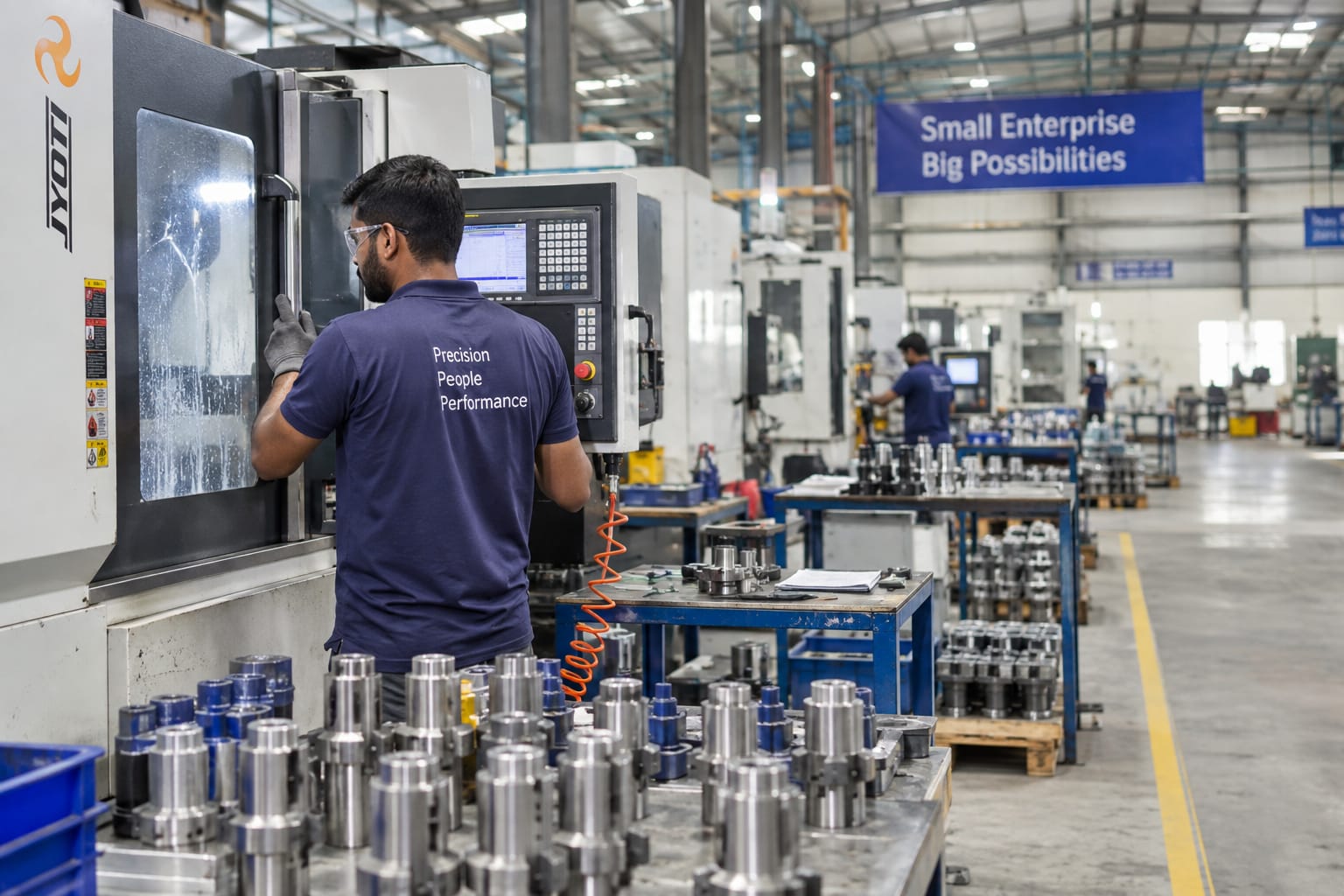
6. Manufacturing & MSME
Manufacturing and Micro, Small and Medium Enterprises (MSMEs) play an important role in economic development, employment generation, supply chains, and local production. The selection of projects may be based on market demand, operational feasibility, and long-term commercial potential.
Investment opportunities
Manufacturing units
Small and medium-scale enterprises
Production facilities & supply-chain
Local manufacturing
Industrial infrastructure & support
0:000:00
How the Business Model Works
Capital received by the company may be allocated across selected business activities and projects based on the company's business strategy, project requirements, feasibility assessments, market conditions, and applicable regulations.
Proposed Business Cycle
Capital DeploymentDiversified AllocationBusiness OperationsRevenue GenerationOperating ExpensesBusiness SurplusReinvestment / Distribution
The objective of this model is to reduce dependence on a single business activity by developing multiple operational and potential revenue-generating businesses across different sectors.
Diversification, however, does not eliminate business or investment risk, and the performance of individual projects may vary depending on market, operational, regulatory, financial, and other factors.
Key Business Objectives
The company's multi-sector approach is intended to:
Diversify business activities across multiple sectors
Develop multiple potential sources of business revenue
Invest in real-economy and production-oriented activities
Build sustainable and professionally managed business operations
Develop long-term business assets and operational capabilities
Identify opportunities in emerging and growth-oriented sectors
Improve the utilization and deployment of capital
Create opportunities for business expansion and reinvestment
Contribute to economic activity, employment, and essential services
Investor-Oriented Approach
The company aims to build a structured business model in which capital is deployed according to identified commercial opportunities rather than being concentrated in a single activity.
The Underlying Principle
DiversificationReal Business ActivitiesProfessional ManagementLong-Term Business Development
The company may periodically evaluate the performance of individual sectors and projects and adjust capital allocation according to business requirements, market conditions, project performance, regulatory considerations, and future growth opportunities.
Any return, distribution, or payment to investors, where applicable, will be subject to the specific contractual terms, actual business performance, applicable laws and regulations, and the financial capacity of the relevant business or project.
Conclusion
The Multi-Sector Investment Plan is designed around a diversified business framework covering Dairy & Livestock, Food Processing, Solar & Renewable Energy, Agri-Tech & Modern Agriculture, Healthcare & Diagnostics, and Manufacturing & MSME.
By developing businesses across multiple sectors, the company seeks to establish diversified operations, create multiple potential revenue streams, build productive assets, and pursue sustainable long-term business growth.
The objective is not to depend on a single business model, but to develop a broader business ecosystem capable of adapting to changing market opportunities while maintaining disciplined capital allocation and professional management.
Multi-Sector ApproachDiversified OperationsReal-Economy BusinessesLong-Term Business Development